 Listicle
7 Luxury Event Design Portfolio Examples That Inspire
Last Updated: November 17, 2026
Quick Summary
A luxury event design portfolio is a curated visual record of completed events that demonstrates creative vision, technical execution, and range across venues and celebration types. Strong examples pair full-scene photography with close-up details, document real venues rather than stock imagery, and explain the design decisions behind each image.
- The best portfolios lead with a clear point of view and show scale and intimacy in the same gallery.
- Most designers show a curated collection of eight to fifteen completed events rather than every project.
- Ask whether the projects shown are recent and whether the designer led the design or supported another team.
- A PDF sample is a reasonable request during an interview or initial consultation for side-by-side comparison.
- Platform work on Behance and Pinterest is inspiration, not proof of execution.
Table of Contents
- What a Luxury Event Design Portfolio Must Show
- 1. SoHo Event Design: Private Estate Weddings
- 2. Vieira Events: Soulful, Design-Forward Celebrations
- 3. Urban Allure Events: Floral Design Meets Luxury Planning
- 4. Magical Momintz Designs: Milestone Celebrations and Mitzvahs
- 5. Catering Works and Bloom Works Floral: Integrated Event Styling
- 6. Event Portfolio Examples on Behance and Pinterest
- 7. Corporate Event Portfolio: Showcasing Professional Gatherings
- Frequently Asked Questions
What a Luxury Event Design Portfolio Must Show
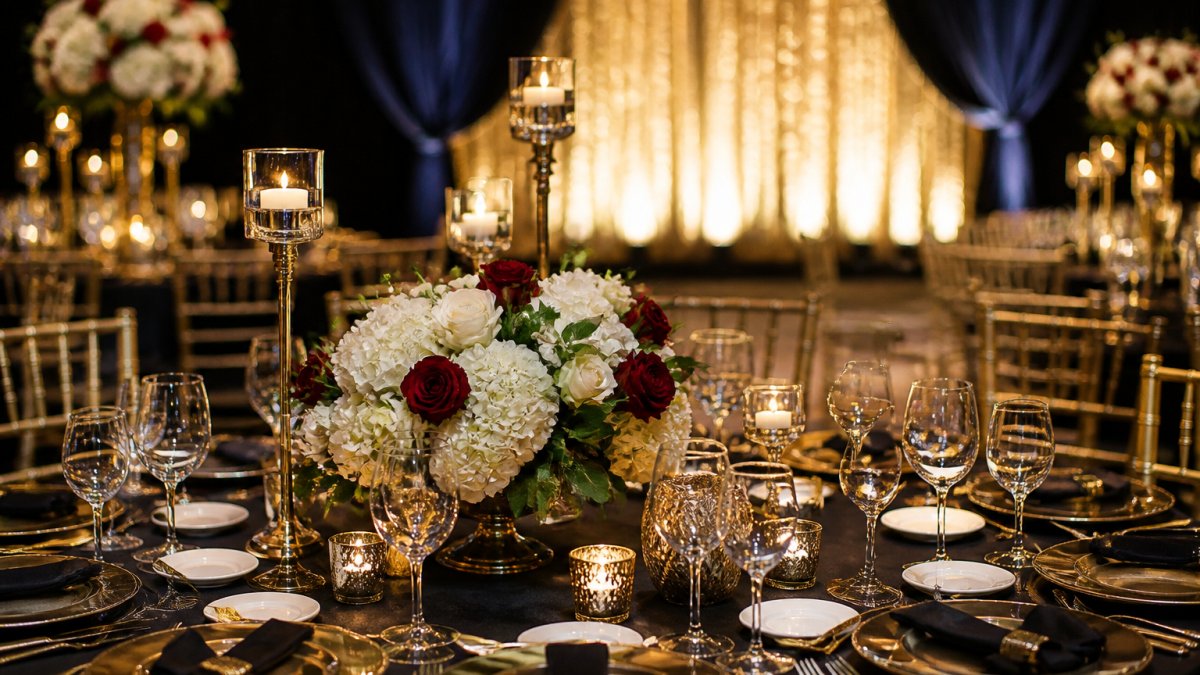
A luxury event design portfolio is a curated visual record of completed events that demonstrates an event designer's creative vision, technical execution, and range across venues and celebration types. Strong portfolios pair full-scene photography with close-up details, and they explain the design decisions behind each image.
The best luxury event design portfolio examples share four traits. They lead with a clear point of view. They show scale and intimacy in the same gallery. They document real venues, not stock imagery. And they connect each design choice to the guest experience it created.
Below, we break down seven portfolios worth studying, with notes on what each one gets right and what to borrow for your own project or portfolio. Keep reading for a comparison table and a practical checklist you can apply before you hire anyone.
| Portfolio Element | What to Look For | Why It Matters |
|---|---|---|
| Full-scene shots | Venue, lighting, tablescape in one frame | Shows scale and technical execution |
| Close-up details | Florals, place settings, stationery | Proves finish quality |
| Design notes | Short captions explaining choices | Separates designers from decorators |
| Event variety | Weddings, corporate, milestones | Signals range and reliability |
| Real venues | Named estates, ballrooms, outdoor sites | Confirms logistics experience |
1. SoHo Event Design: Private Estate Weddings
Private estate weddings test a designer's ability to work without the infrastructure of a hotel ballroom.
What stands out is the romantic, intentional styling.
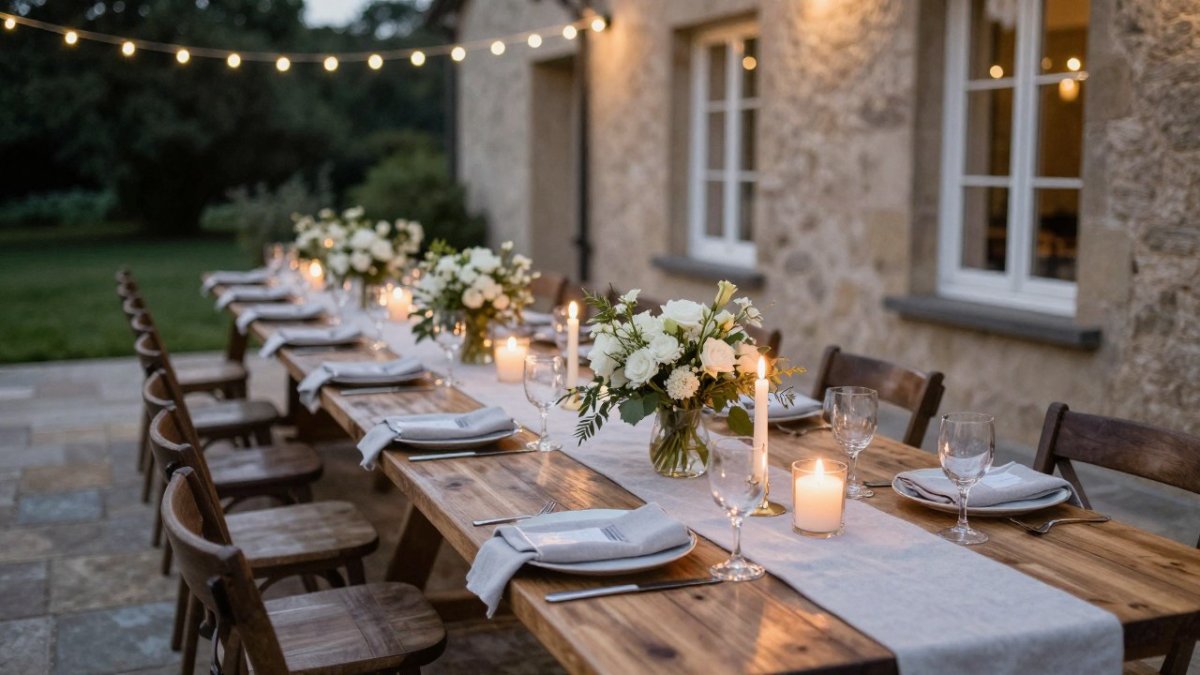
Best for: couples planning a sophisticated wedding at a private home or estate. Skip if: you need a full-service venue with in-house catering and staffing.
If you are still gathering inspiration before you commit to a direction, browsing a gallery of past events is the fastest way to see how different design styles translate into real rooms. When you are ready to talk numbers, our packages and pricing explain what each level of service includes.
2. Vieira Events: Soulful, Design-Forward Celebrations
The work skews design-forward, with strong opinions about color and texture. Multi-regional coverage shows up in the gallery too, which matters if your celebration spans more than one location. One honest limitation: many luxury planners do not publish rates, so expect a custom quote after an inquiry.
3. Urban Allure Events: Floral Design Meets Luxury Planning
Watch out: if a portfolio shows florals but never shows them installed at scale in the actual venue, ask who produced and installed them. Bundled services are convenient, but you want to know which team is on site on the day.
4. Magical Momintz Designs: Milestone Celebrations and Mitzvahs
Wedding-heavy portfolios miss a large share of the luxury market: bar and bat mitzvahs, quinceañeras, sweet sixteens, and milestone birthdays.
This is the portfolio to study if your celebration has ceremonial elements, because the design has to serve a service, a reception, and often a younger guest list in the same room. Range across event categories signals a designer who can read a brief rather than repeat a signature look.
5. Catering Works and Bloom Works Floral: Integrated Event Styling
When catering and floral come from the same house, the design and the menu can be planned together.
6. Event Portfolio Examples on Behance and Pinterest
Platform galleries are one way to study a large volume of luxury event design portfolio examples. Behance hosts full project write-ups from designers, often with process shots and palette notes that client sites leave out. Pinterest is better for mood boarding and early concept work, and its collaborative boards make it easy to align with a partner or planner.
Use both with a filter. Platform work is inspiration, not proof of execution. A designer's own site should show completed events with real venues and real photography. If you need a structured starting point, QC Event Planning's portfolio guidance covers how to organize projects, testimonials, and service pages into a professional showcase, and it is a useful reference if you are assembling an event portfolio sample PDF for an interview or a client pitch.
What most platform galleries miss is the practical layer that separates a mood board from a working portfolio. When you evaluate a designer's portfolio, or build your own, apply these filters:
7. Corporate Event Portfolio: Showcasing Professional Gatherings
Corporate work demands a different portfolio language than weddings, and the focus shifts toward the program and the guest experience.
If you are planning a professional gathering, our step-by-step guide to executing your event vision walks through the sequence from concept to load-out. When you are ready to discuss your own event, contact our team to start the conversation.
Choosing a designer comes down to evidence. Ask for completed work, design notes, and a clear scope, then compare two or three portfolios against the same checklist. Centerpiece Productions builds custom concepts around your specific event, from private celebrations to corporate gatherings, and our team supports the full execution so the details land the way they were planned. Get started with Centerpiece Productions and turn your vision into a celebration your guests remember.
Frequently Asked Questions
What should a luxury event design portfolio include?
A strong luxury event design portfolio should include high-resolution photography of completed events, a clear description of the design concept and how it was executed, the event type and scale, and details about your specific role. Include close-up detail shots alongside wide venue images to show both creative vision and technical execution. Client testimonials and measurable outcomes, such as guest counts or timeline achievements, add credibility. A dedicated portfolio page on your website with organized galleries by event type makes it easy for potential clients to find relevant work.
How many events should you include in a portfolio?
Quality matters more than quantity. Most professional planners showcase 8 to 12 carefully selected events that represent their best work and range of capabilities. Each example should demonstrate a different strength, whether that is floral design, venue transformation, or milestone celebrations. Including too many similar events dilutes the impact. Focus on projects that align with the type of clients you want to attract, and update the collection regularly as new work is completed.
Can I use a PDF as my event planning portfolio?
Yes, an event portfolio sample PDF is a practical format for interviews, client meetings, and email introductions. Keep the file size manageable, use high-quality images, and organize it with clear sections for each event. Include a brief overview of your design approach and the services you provide. A PDF works best as a supplement to an online portfolio rather than a replacement, since a website allows for easier updates and broader reach.
How do you showcase event design work if you are just starting out?
If you are building a portfolio from scratch, consider volunteering to design a charity event, partnering with a venue on a styled shoot, or offering discounted services to early clients in exchange for photography rights. Document every event thoroughly with professional photos that capture décor details, tablescapes, and the overall atmosphere. Even small gatherings can demonstrate your creative vision and attention to detail. Over time, these early projects form the foundation of a compelling portfolio.